
Introduction
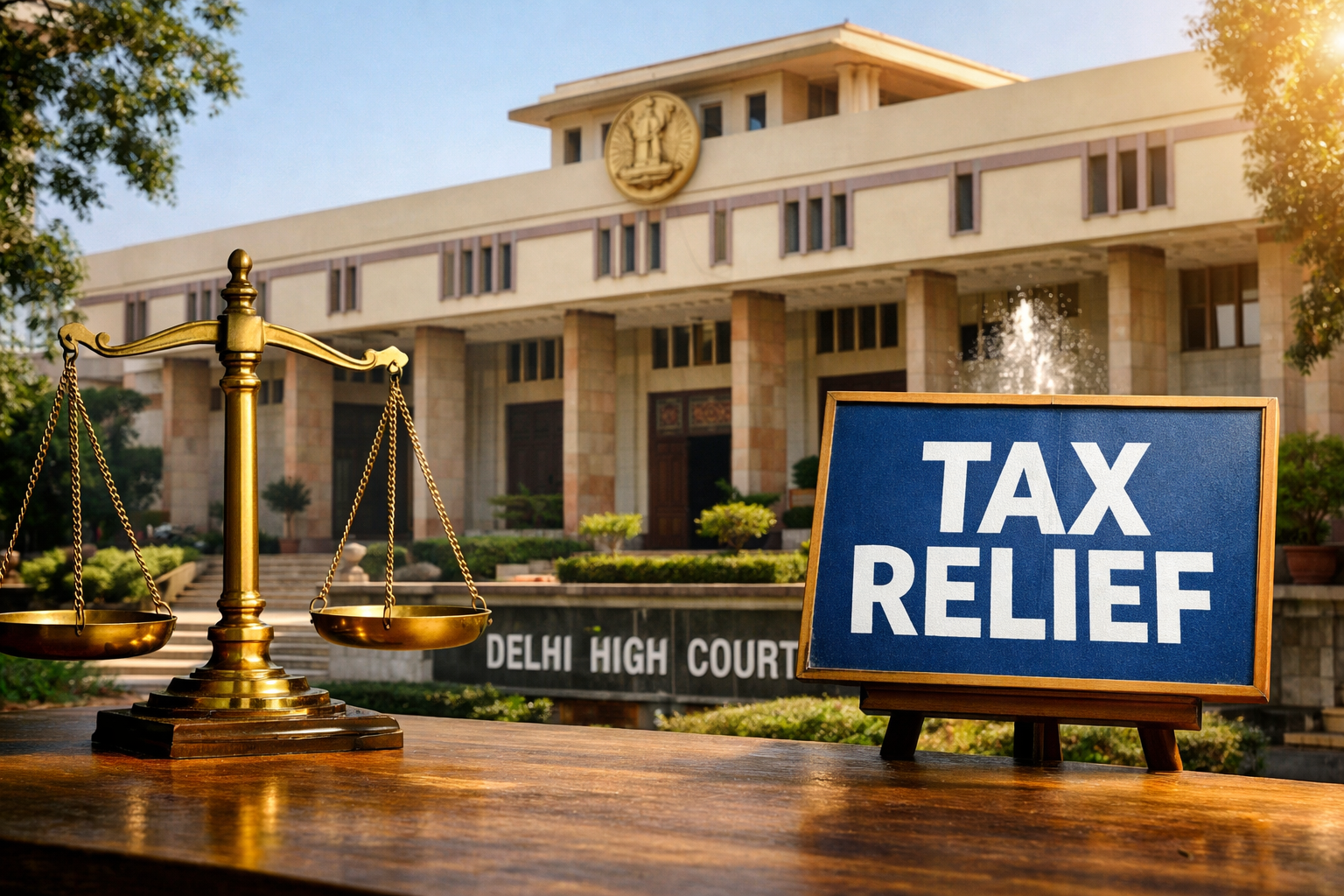
In a major relief for taxpayers, the Delhi High Court has delivered two strong messages to the Income Tax Department—one on unfair tax recovery practices and another on shocking delays in issuing tax refunds. Together, these developments reinforce an important principle: tax administration must be fair, timely, and accountable.
These rulings are not just legal updates; they directly impact businesses, professionals, and individuals dealing with disputed tax demands or long-pending refunds.
🚨 Delhi High Court Restrains Tax Recovery After 20% Payment
In one significant ruling, the Delhi High Court restrained the Income Tax Department from taking coercive recovery action once a taxpayer had already deposited 20% of the disputed tax demand.
What the Court Observed
The Court noted that:
Forcing recovery despite partial compliance defeats the purpose of dispute resolution.
Once a reasonable portion of the tax demand is paid, authorities must wait for the appeal outcome.
Aggressive recovery actions create unnecessary financial stress for taxpayers.
This decision reinforces the idea that paying 20% of the disputed amount should offer temporary protection, allowing taxpayers to pursue legal remedies without fear of bank account attachment or recovery notices.
⚖️ Eight-Year Tax Refund Delay: Court Slams Authorities in Microsoft Case
In another sharp observation, the Delhi High Court criticized the Income Tax Department for an extraordinary eight-year delay in issuing a legitimate tax refund to a corporate taxpayer.
Why This Matters
The Court made it clear that:
Tax refunds are not government favors—they are taxpayer rights.
Delays of several years show administrative failure.
Such conduct damages trust in the tax system and impacts business confidence.
The Court emphasized that holding taxpayer money without justification is unacceptable, especially when assessments are completed and refunds are due.
📌 What These Rulings Mean for Taxpayers
These two rulings together highlight a shift toward taxpayer-friendly judicial oversight.
Key Takeaways
Paying 20% of disputed tax demand can offer protection from recovery.
Long delays in refunds may be legally challenged.
Courts expect accountability and transparency from tax authorities.
Businesses should actively monitor pending refunds and disputed demands.
For taxpayers, this is a reminder that silence and delay should not be accepted as normal.

🔍 Why This Is a Turning Point in Tax Administration
The Delhi High Court’s stance sends a clear signal:
Efficiency and fairness are not optional in tax governance.
These rulings encourage a healthier relationship between taxpayers and authorities—one based on law, timelines, and mutual responsibility.
As legal scrutiny increases, taxpayers can expect stronger protection against arbitrary recovery actions and unreasonable refund delays.
Conclusion
The recent Delhi High Court rulings mark an important step toward restoring balance in India’s tax system. Whether it’s restraining recovery after partial payment or condemning years-long refund delays, the message is clear: taxpayers deserve fairness, not frustration.
For individuals and businesses alike, staying informed and asserting legal rights has never been more important.